Bomber Boy
miscellany
In-game artwork




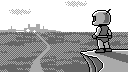
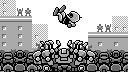
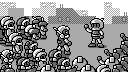
Manual artwork
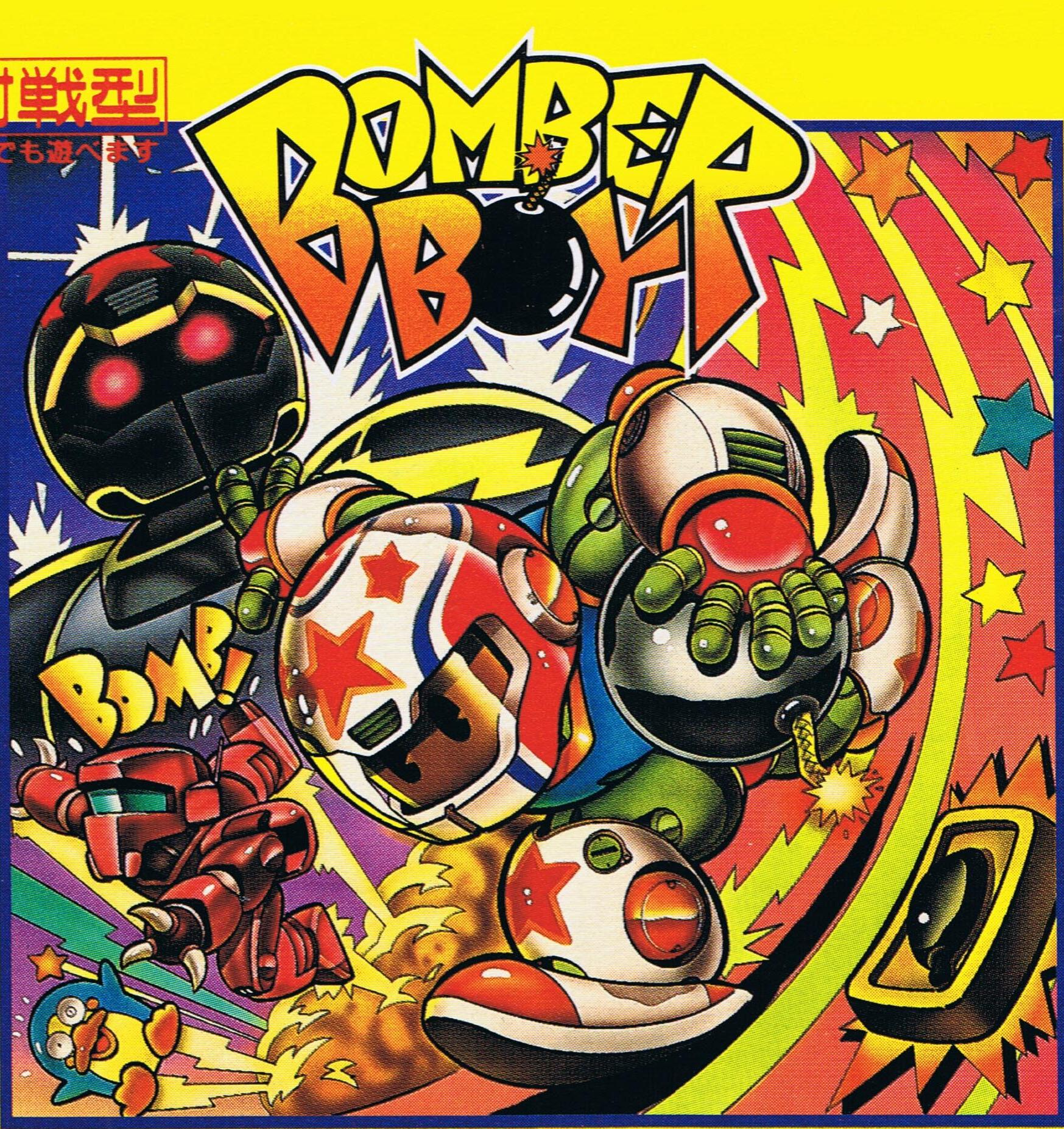
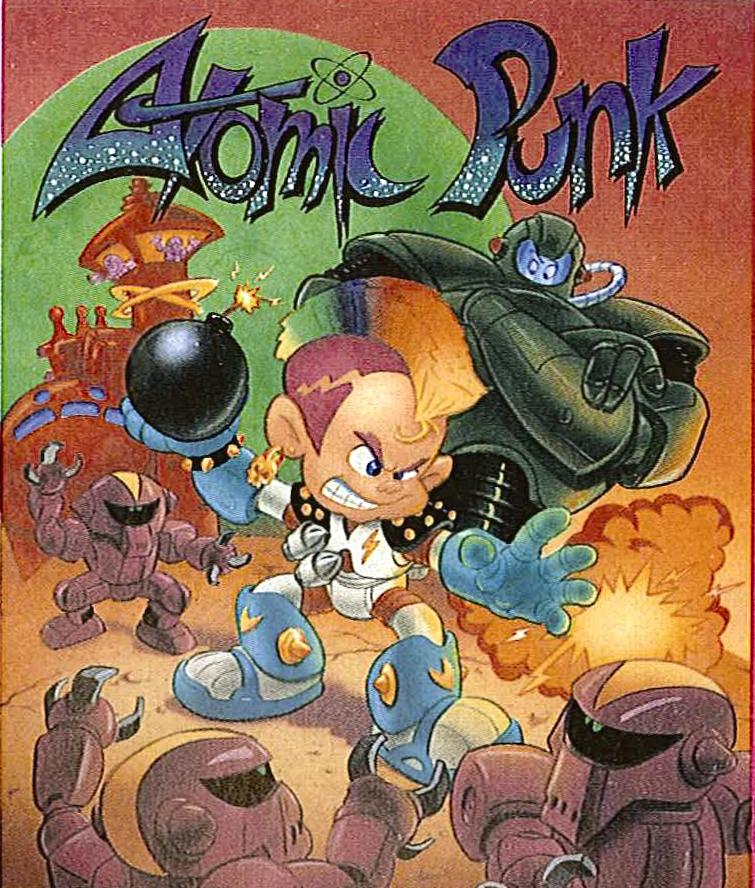
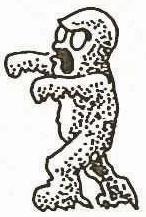
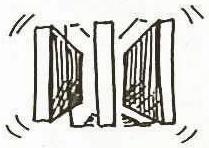
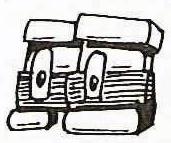
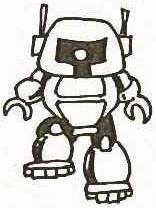
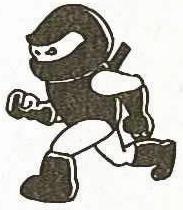
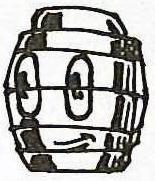
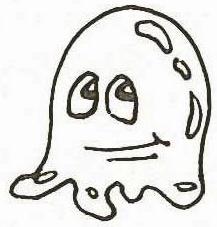
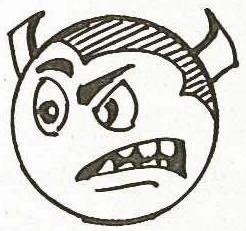
The first two images are from Bomber Boy, while the rest is from the Atomic Punk manual.






This music was recorded using ugetab's GBS rip. The Bomberman (Mode B) tracks aren't included, as they're exact replicas of the NES soundtrack.
There are two tracks I can't identify, although I'm almost sure I heard them during gameplay. Little help?
| Title screen
size: 578kb / time: 0:37 |
Panel Shop
size: 405kb / time: 0:27 |
Stage Select
size: 418kb / time: 0:30 |
Password size: 322kb / time: 0:23 |
Round Clear! size: 332kb / time: 0:23 |
Thank You! Kid! size: 184kb / time: 0:14 |
Time is short size: 395kb / time: 0:21 |
Death size: 32kb / time: 0:02 |
Lost A Kid! size: 298kb / time: 0:16 |
Cuolece size: 645kb / time: 0:45 |
Windria size: 794kb / time: 0:50 |
Thulia size: 1.6mb / time: 1:00 |
Hevol size: 624kb / time: 0:45 |
Jagoraz size: 649kb / time: 0:47 |
Grad size: 811kb / time: 0:55 |
Faria size: 1.9mb / time: 1:04 |
Wather size: 644kb / time: 0:45 |
Staff Roll size: 1mb / time: 1:39 |
Vs. Mode Ready size: 69kb / time: 0:03 |
Vs. Mode Match size: 439kb / time: 0:34 |
Vs. Mode Draw!! size: 83kb / time: 0:05 |
Vs. Mode Win size: 281kb / time: 0:24 |
Vs. Mode Lose size: 38kb / time: 0:03 |
[unknown track 1] size: 603kb / time: 0:42 |
[unknown track 2]
size: 444kb / time: 0:18
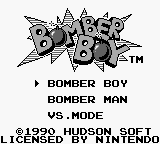
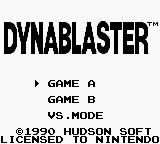
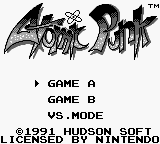
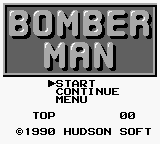
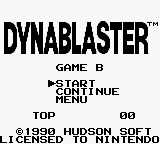
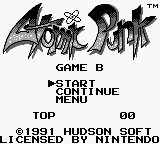
Japanese - European - American
All versions of the game use different title screen graphics. The English versions rename the modes to "GAME A" and "GAME B", and remove the unique title screen in favour of captions.
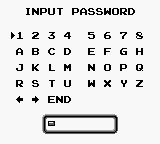
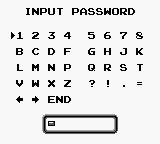
Japanese - English
As was common for the era, vowels were removed from the English password screens so the youth could no longer amuse themselves by entering obscenities. Amusingly, the Japanese version is missing "I" and "V", but the latter letter is added back in for the Western releases at the expense of "Y".
Despite the change, the passwords remain the same and are interchangeable between versions if you follow the same motions (TK88QDQC in Bomber Boy will be XM88TFTD in the English releases).
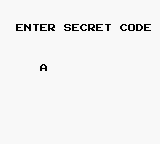
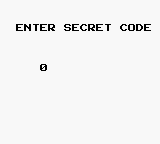
Japanese - English
The same holds true for Bomber Man / Game B, though the vowels were replaced with numbers rather than symbols.
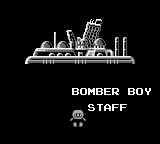
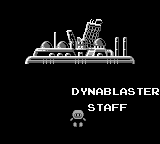
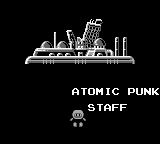
Japanese - European - American
Naturally, this snippet of text was changed to match whatever funny title the game was renamed in that region.
Unused location?

There are two text strings in the game's data for Bomber Boy's locations. The first set (found at hex address 0F79) is identical to what's in-game, while the second (at 3642) changes "MY TOWN" to "TYUUSUU". You can see this in-game by freezing the Stage value (RAM address 00EA) to value 04, and entering a Stage. It reuses Hevol's tileset, only features Traji enemies, and has 0 Rounds, meaning it seemingly goes on forever.
Unused items (Bomber Boy)

Item ID 9 is a question mark, the same graphic used to denote locked items in the Panel Shop. It does nothing when collected.
Item ID 15 is an apple, and functions like the Famicom and Game Boy, awarding 1000 points. It might be used, but I can't find any record of it being documented or appearing in-game, so...!
Bomber Boy only loads item graphics into memory when they're available in that Round, but there are some items that refuse to spawn for me, suggesting either their quantity is set to 0, or the soft blocks are not set up to drop items in that Round.
Thulia round 5: Fire Up
Cuolece round 4: Fire Up and Elixer
Cuolece round 6: Speed Up and Door
Cuolece round 8: Wall Pass
Faria round 1: Speed Up
A text string at hex address 3033 lists all the Item Panels in the Panel Shop. At the end of the list is one called "HATISUKE", the name of Hudson Soft's bee mascot. I've yet to find any other evidence of its existence, graphical or otherwise.
Unused items (Bomberman)
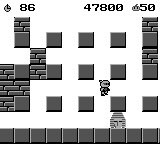
The Gordess item has the same spawn specifications as in the NES game, touching the four corners of the stage without leaving the border... but the Game Boy version has much smaller levels, so the "corners" are actually way off-screen! Hacking Bomberman out of bounds will allow you to touch the 'ghost' corners and spawn the item, or you can just hack it in without any of that nonsense.